Description
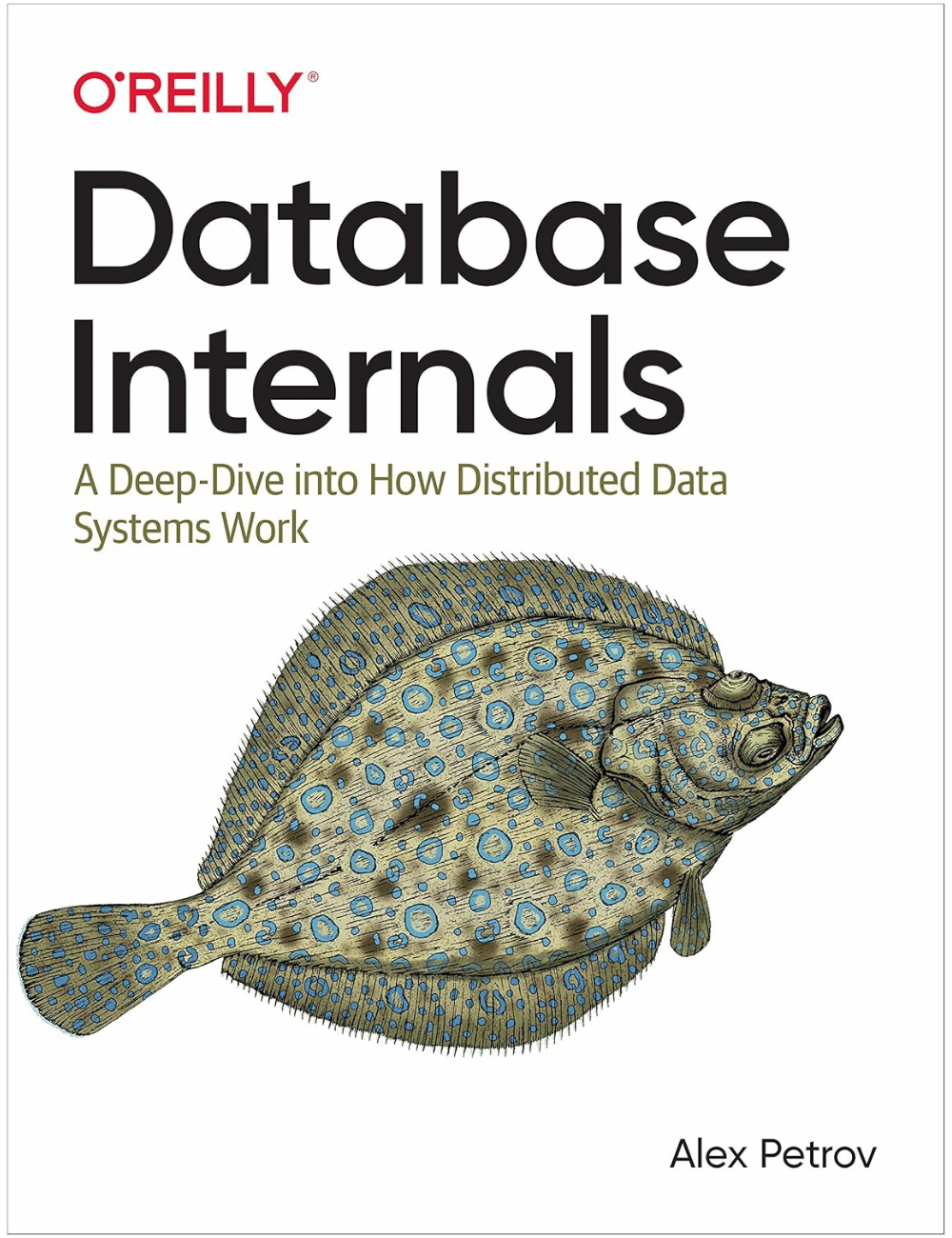
When it comes to choosing, using, and maintaining a database, understanding its internals is essential. But with so many distributed databases and tools available today, it’s often difficult to understand what each one offers and how they differ. With this practical guide, Alex Petrov guides developers through the concepts behind modern database and storage engine internals.
Throughout the book, you’ll explore relevant material gleaned from numerous books, papers, blog posts, and the source code of several open source databases. These resources are listed at the end of parts one and two. You’ll discover that the most significant distinctions among many modern databases reside in subsystems that determine how storage is organized and how data is distributed.
This book examines:
- Storage engines: Explore storage classification and taxonomy, and dive into B-Tree-based and immutable Log Structured storage engines, with differences and use-cases for each
- Storage building blocks: Learn how database files are organized to build efficient storage, using auxiliary data structures such as Page Cache, Buffer Pool and Write-Ahead Log
- Distributed systems: Learn step-by-step how nodes and processes connect and build complex communication patterns
- Database clusters: Which consistency models are commonly used by modern databases and how distributed storage systems achieve consistency
From the Preface
Who is this book for?
In conversations at technical conferences, I often hear the same question: “How can I learn more about database internals? I don’t even know where to start.” Most of the books on database systems do not go into details of storage engine implementation, and cover the access methods, such as B-Trees, on a rather high level. There are very few books that cover more recent concepts, such as different B-Tree variants and log-structured storage, so I usually recommend reading papers.
Everyone who reads papers knows that it’s not that easy: you often lack context, the wording might be ambiguous, there’s little or no connection between papers, and they’re hard to find. This book contains concise summaries of important database systems concepts and can serve as a guide for those who’d like to dig in deeper, or as a cheat sheet for those already familiar with these concepts.
Not everyone wants to become a database developer, but this book will help people who build software that uses database systems: software developers, reliability engineers, architects, and engineering managers.
If your company depends on any infrastructure component, be it a database, a messaging queue, a container platform, or a task scheduler, you have to read the project change-logs and mailing lists to stay in touch with the community and be up-to-date with the most recent happenings in the project.
Book details
- Author : Alex Petrov
- Publisher : O’Reilly Media
- Publication date : November 5, 2019
- Edition : 1st
- Print length : 370 pages
- Language : English
- Format : Paperback