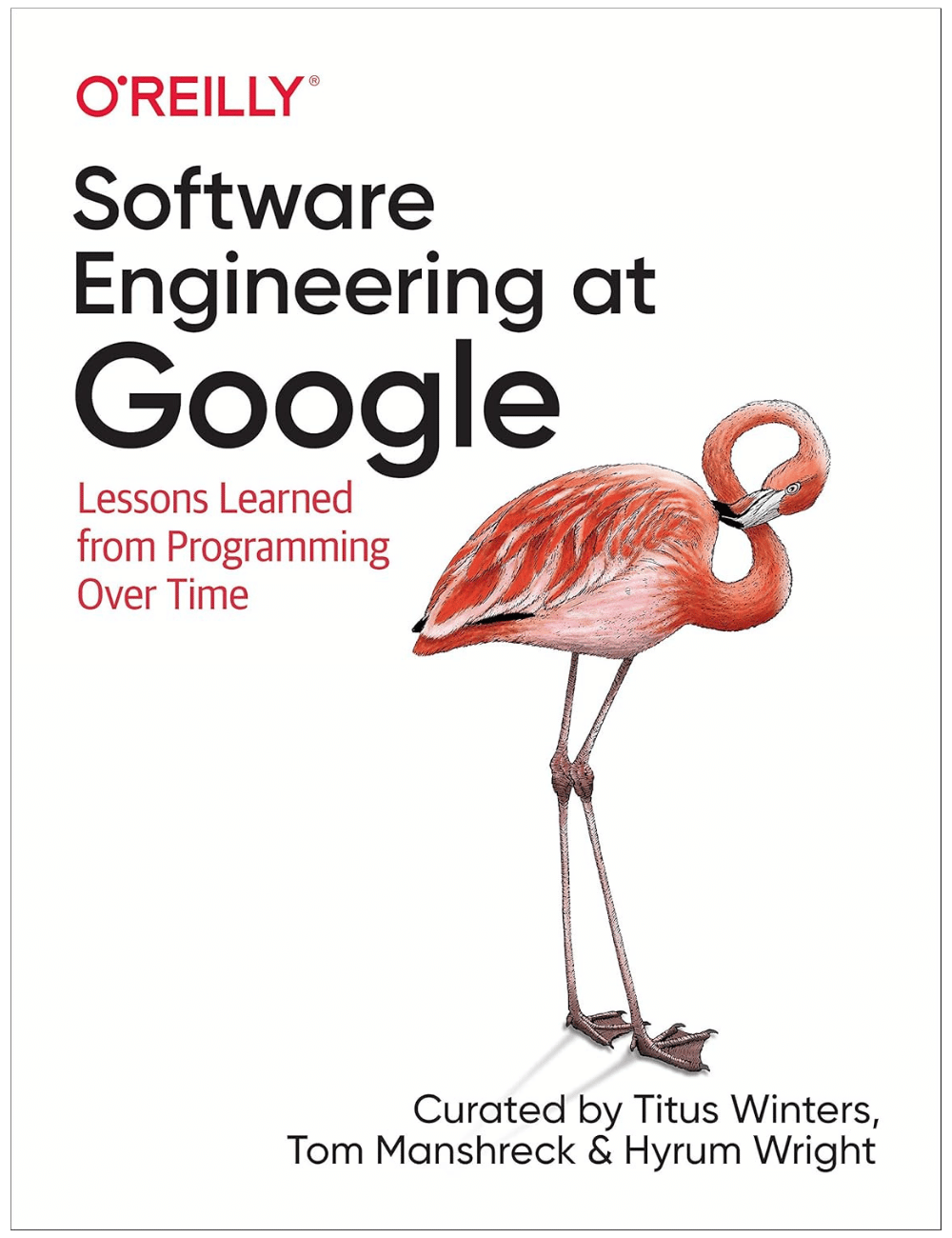
Description
Today, software engineers need to know not only how to program effectively but also how to develop proper engineering practices to make their codebase sustainable and healthy. This book emphasizes this difference between programming and software engineering.
How can software engineers manage a living codebase that evolves and responds to changing requirements and demands over the length of its life? Based on their experience at Google, software engineers Titus Winters and Hyrum Wright, along with technical writer Tom Manshreck, present a candid and insightful look at how some of the worldâ??s leading practitioners construct and maintain software. This book covers Googleâ??s unique engineering culture, processes, and tools and how these aspects contribute to the effectiveness of an engineering organization.
Youâ??ll explore three fundamental principles that software organizations should keep in mind when designing, architecting, writing, and maintaining code:
- How time affects the sustainability of software and how to make your code resilient over time
- How scale affects the viability of software practices within an engineering organization
- What trade-offs a typical engineer needs to make when evaluating design and development decisions
From the Preface
This book is titled Software Engineering at Google. What precisely do we mean by software engineering? What distinguishes “software engineering” from “programming” or “computer science”? And why would Google have a unique perspective to add to the corpus of previous software engineering literature written over the past 50 years?
The terms “programming” and “software engineering” have been used interchangeably for quite some time in our industry, although each term has a different emphasis and different implications. University students tend to study computer science and get jobs writing code as “programmers.”
“Software engineering,” however, sounds more serious, as if it implies the application of some theoretical knowledge to build something real and precise. Mechanical engineers, civil engineers, aeronautical engineers, and those in other engineering disciplines all practice engineering. They all work in the real world and use the application of their theoretical knowledge to create something real. Software engineers also create “something real,” though it is less tangible than the things other engineers create.
Unlike those more established engineering professions, current software engineering theory or practice is not nearly as rigorous. Aeronautical engineers must follow rigid guidelines and practices, because errors in their calculations can cause real damage; programming, on the whole, has traditionally not followed such rigorous practices. But, as software becomes more integrated into our lives, we must adopt and rely on more rigorous engineering methods. We hope this book helps others see a path toward more reliable software practices.
What This Book Isn’t
This book is not meant to cover software design, a discipline that requires its own book (and for which much content already exists). Although there is some code in this book for illustrative purposes, the principles are language neutral, and there is little actual “programming” advice within these chapters. As a result, this text doesn’t cover many important issues in software development: project management, API design, security hardening, internationalization, user interface frameworks, or other language-specific concerns. Their omission in this book does not imply their lack of importance. Instead, we choose not to cover them here knowing that we could not provide the treatment they deserve. We have tried to make the discussions in this book more about engineering and less about programming.
Book details
- Author : Titus Winters, Tom Manshreck, Hyrum Wright,
- Publisher : O’Reilly Media
- Publication date : April 7 2020
- Edition : 1st
- Print length : 599 pages
- Language : English
- Format : Paperback